Goya in a Cocoon | Lithuanian Designer Coats
-
2025-10-16
For a long time, it was believed that Cristóbal Balenciaga (whom Coco Chanel called the only true couturier) gave only one interview in his entire life.
The truth is slightly different, though it changes little in essence – a total of three interviews given by the designer are known, with the third discovered only recently.
Consequently, we can trace his creative motivations and what precisely drove him in the 1940s to design a radically new coat silhouette – later known as the cocoon coat (also referred to as "barrel" or "egg") – only indirectly.
Defying the aesthetic norms of the era, the cocoon coat not only lacked a defined waistline but, on the contrary, widened at the waist.
At the back, the waist was pulled back even further, creating a hollow space. A coat of this design touched the body at only two points – at the neck and shoulders.
In an era when a designer's mastery was judged by how precisely a garment followed the contours of the body, Balenciaga's silhouette was strikingly provocative.
With so few comments from the designer himself, fashion experts discern the origins of his creative ideas in the garments themselves and in his biographical details.
Balenciaga possessed an exceptional ability to draw inspiration for innovative creations from a unique blend of traditional clothing and cultural heritage.
First, elements of the typical Basque fisherman's jacket, known as a kaiku, can be seen in the cocoon coat. For Balenciaga, who grew up on the coast in the town of Getaria in a sea captain's family, this jacket was intimately familiar.
The kimono and Japonism in general – the fascination with Japanese culture that swept through 19th-century Europe – are another major influence visible in both the coat's construction and its silhouette.
Balenciaga is considered one of the first fashion designers to treat the empty space between the body and the garment as a medium for creative expression. Issey Miyake and fashion scholars recognized in these clothes an expression of the Japanese philosophy of ma – the beauty of empty space.
Thirdly, especially after moving to Paris in 1936 while feeling deep nostalgia for home, the masterpieces of Spanish painters became a profound influence.
In Balenciaga's designs, we find the ribbons from Velázquez's paintings, combinations of extravagant embroidery and ascetic form from Sánchez Coello, and black lace shawls from Goya.
In the cocoon coat, we can hear echoes of the sculptural robes of monks and priests seen in Francisco de Zurbarán's paintings, as well as the high collars depicted by El Greco.
Balenciaga's mastery and his influence on fashion ensured that the cocoon silhouette was controversial for only a brief moment before quickly becoming a source of imitation and inspiration for many other designers.
"He is the master of us all," said Christian Dior. "The only one I admire," said Coco Chanel. These are just a few remarks illustrating Balenciaga's reputation. Yet even if Cristóbal Balenciaga's name is sometimes forgotten, we continue to wear garments inspired by his ideas – including those iconic, subtly curved coats that barely touch the body – to this day.
In this newsletter, we share three coats: two inspired by classic forms, and one featuring an oversized straight silhouette that partially carries on Balenciaga's cocoon tradition.
View All Lithuanian Designer Coats
Shifted Balance
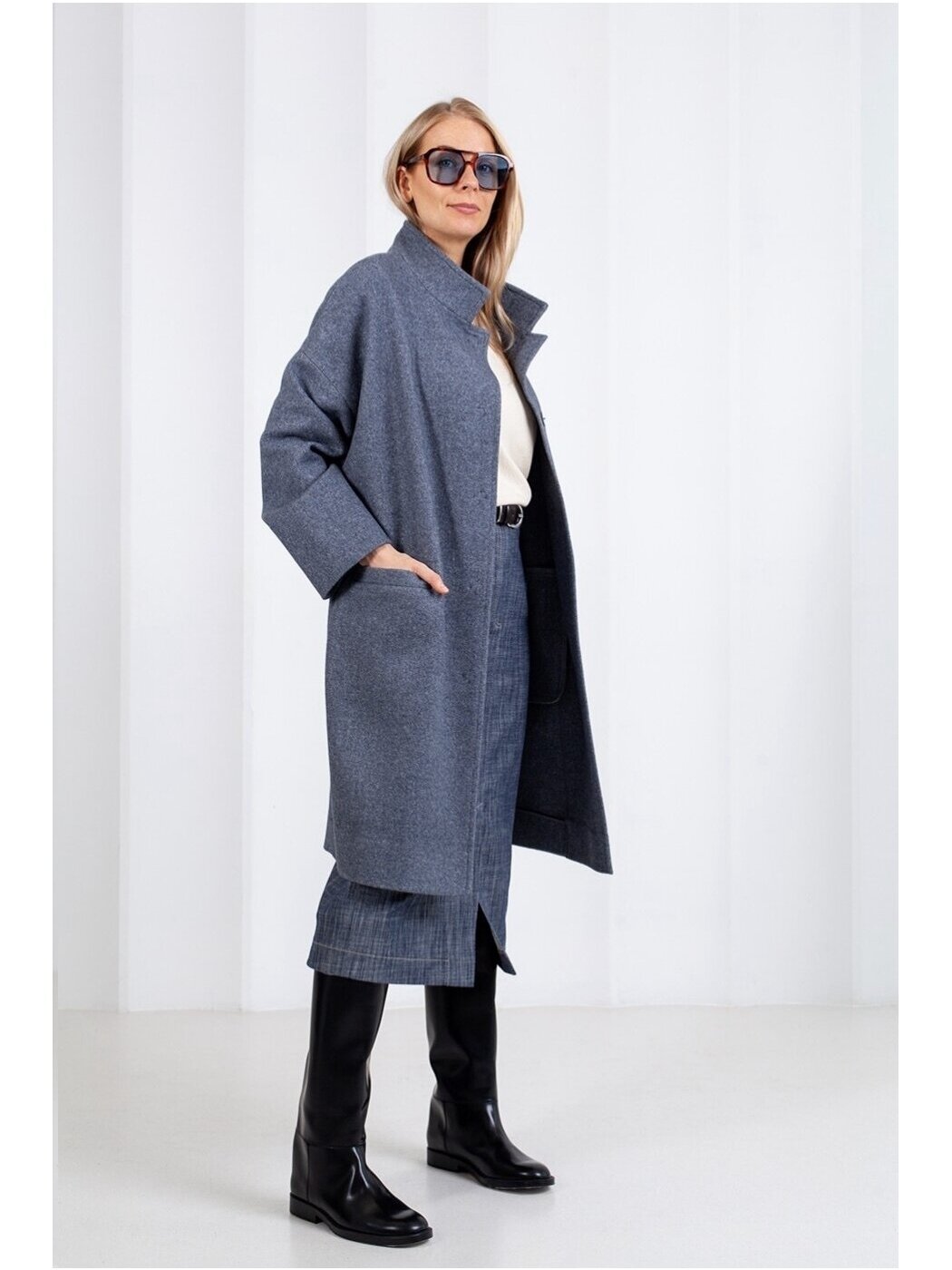
Because he so frequently used silhouettes set away from the body in his designs, Balenciaga was sometimes called the "architect of air."Balenciaga's cocoon coats, featuring a draped back line and a stand-up collar, offered subtle benefits for the wearer. By slightly shifting the center of gravity in such a coat, the weight is distributed more evenly than in a conventional coat, where the collar and overall construction make the front feel heavier.
Adorned by Space
A relaxed silhouette that partially continues Balenciaga's ideas provides ample room around both the body and the sleeves for freedom of movement and comfortable layering.Yet, thanks to its refined design free of superfluous details – featuring a concealed closure and a high stand-up collar – the spacious silhouette maintains a subtly structured look.
THREE IDEAS: Design for Children
Although small in number, you can discover a few carefully curated pieces by designers for children in our collection.Children's items are not always created with the same high standards of quality and design as those for adults, but these are a delightful exception.
- Painting Kit with Ceramic Plate
- Hand-Knitted Toy (with Knitted Clothes)
- White Children's Cable-Knit Cashmere Sweater
Alpaca Refinement
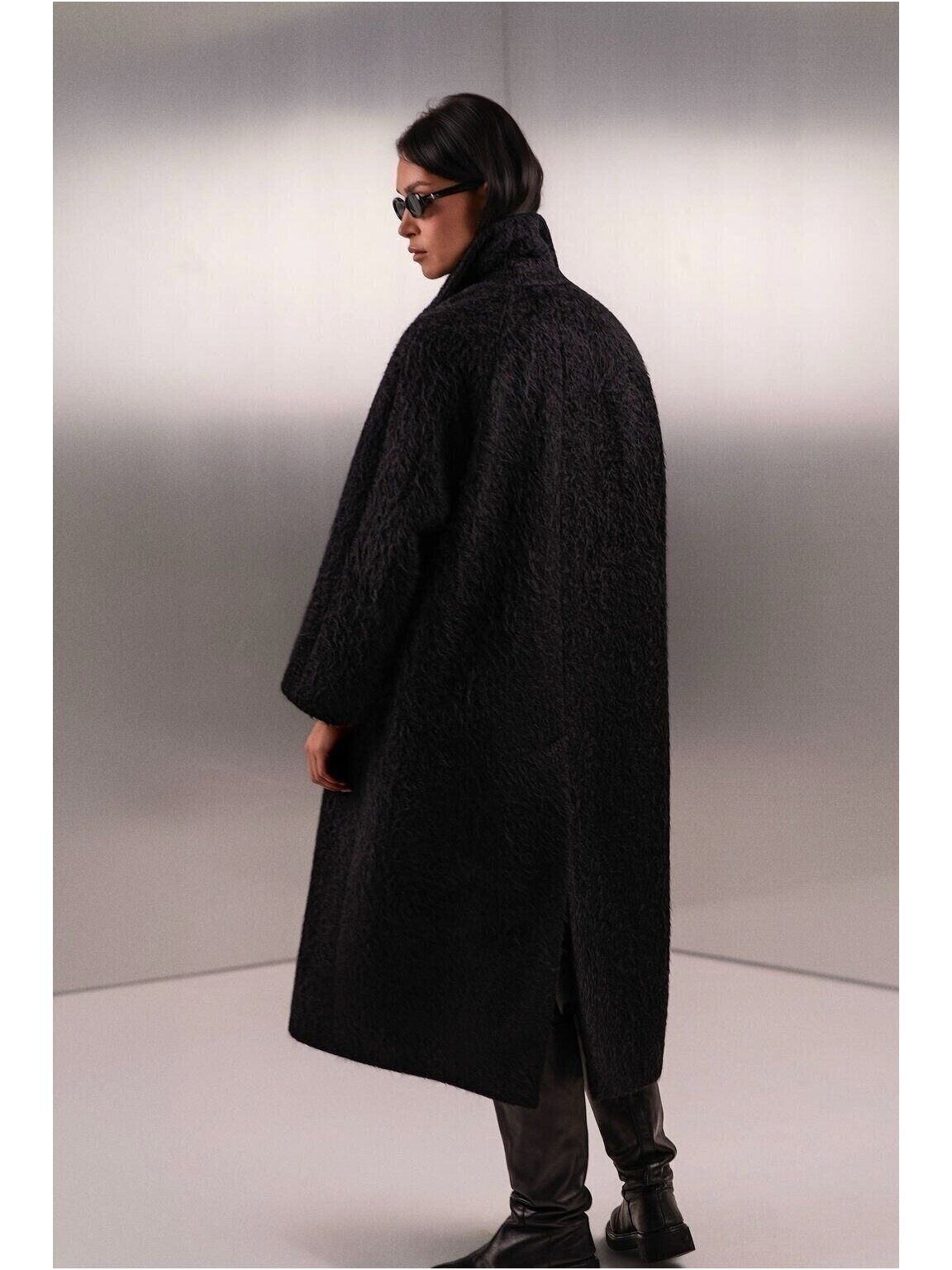
This coat gathers a series of elements that define exceptional outerwear.An extraordinary fabric – 60% alpaca wool and 40% premium natural virgin wool – offers a composition that is not only exceptional but looks visually striking (photos do not fully capture its subtle luster and rich texture).
An A-line silhouette with raglan sleeves and a deep back vent ensures comfort while walking, driving, or on the move.
A double-breasted closure and wide, easily standing collars create a timeless, classic look.
Elongated Warmth
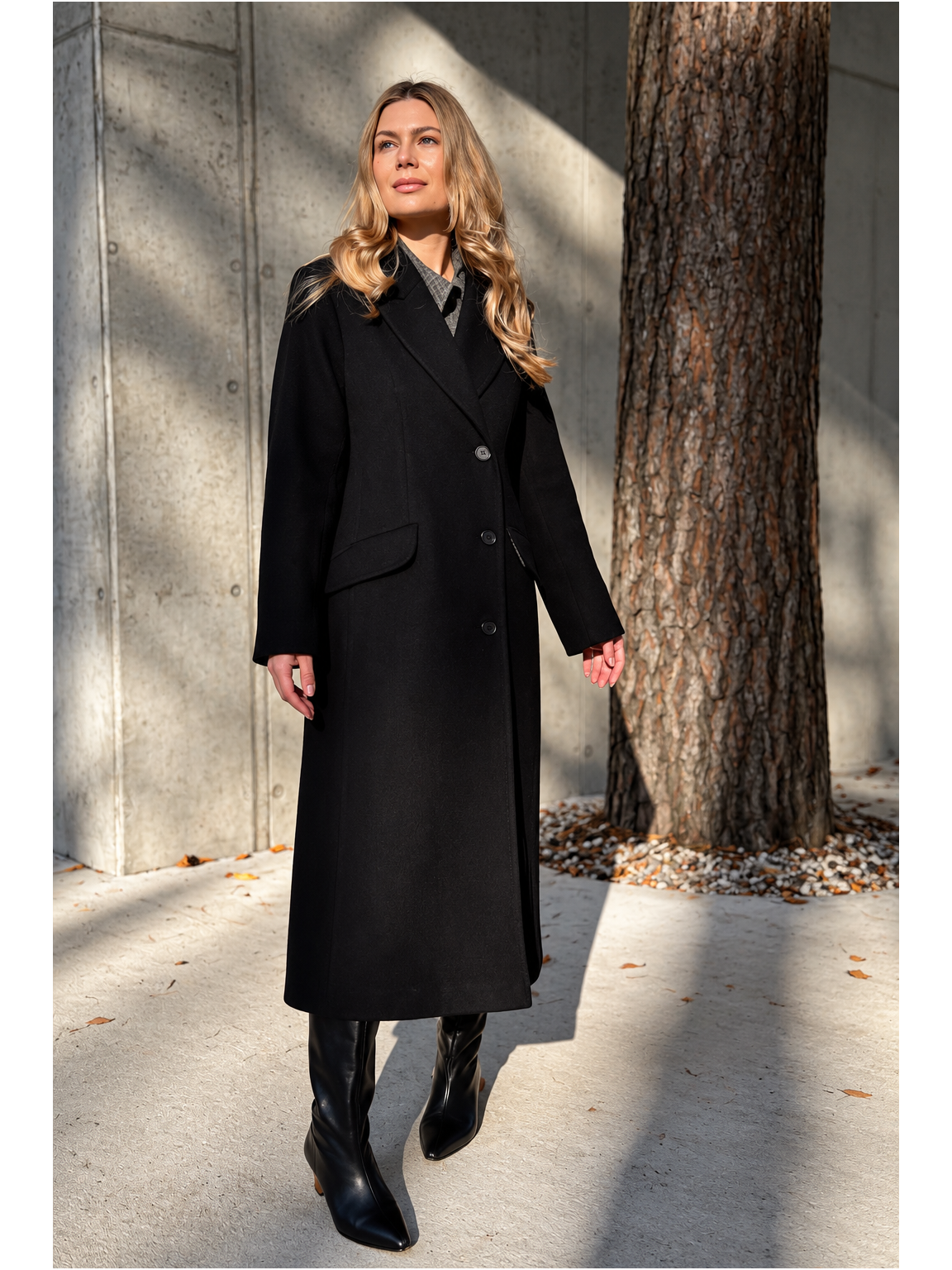
Featuring a slightly elongated silhouette, this coat embodies classic elegance.Crafted from a high-wool blend (80%), this coat with its respectable classic forms serves as a truly versatile wardrobe piece.
With its deep, lapelled collar, single-breasted buttoning, and streamlined length, the coat flatters a wide range of body types.
If you would like to receive our full recommendation letter with updates on offers and our latest arrivals, subscribe to our weekly newsletter sent every Friday.