Redingote on the Road: Lithuanian Wool Coats
-

2025-10-06
The wave of anglomania that swept across 18th-century Europe manifested in various ways.
One of them was the growing popularity of the "Redingote" coat, steeped in allusions to active leisure of horseback riding on country estates.
The redingote evolved from a type of women's riding costume popular in 17th-century France called the devantière (from the French word devant – "in front").
Compared to ordinary clothing of that era, the devantière costume featured several important modifications that allowed a woman to ride astride a horse: an outer skirt made of thick fabric (with another skirt worn underneath) featured a long slit in the back and wider hips.
Upon reaching England, this garment inspired the emergence of a new type of women's coat – the redingote. The English name redingote is the result of double borrowing: it stemmed from a French interpretation of the English term "riding coat." This coat combined elements of the devantière costume with a men's riding coat.
While the devantière costume was more of a dress type than a coat, the redingote developed into a practical, long, fitted coat. In the redingote design, the back slit of the devantière was replaced by a wide neckline in the front, which allowed for a comfortable side-saddle seat on a horse, while walking allowed one to showcase the contrasting-colored skirt worn underneath.
The redingote coat was often tailored from wool or another durable fabric capable of protecting against rain and wind, and featured massive collars.
However, as fashion continued to evolve and the wave of anglomania persisted, by the early 19th century upper-class women in European cities began wearing redingote coats not so much for their utilitarian benefits, but rather for their trendiness and stylish association with England.
In her 1928 novel Orlando, Virginia Woolf writes about clothing: "They change our view of the world and the world’s view of us."
Over time, the original purpose of clothing may change. However, the stylistic allusions and sensations associated with wearing them retain such valuable potential to shape not only others' perceptions of us, but most importantly, our own view of the surrounding world.
In this newsletter, we have selected three in different coats emphasizing the possibilities of different colors and silhouettes of wool coats.
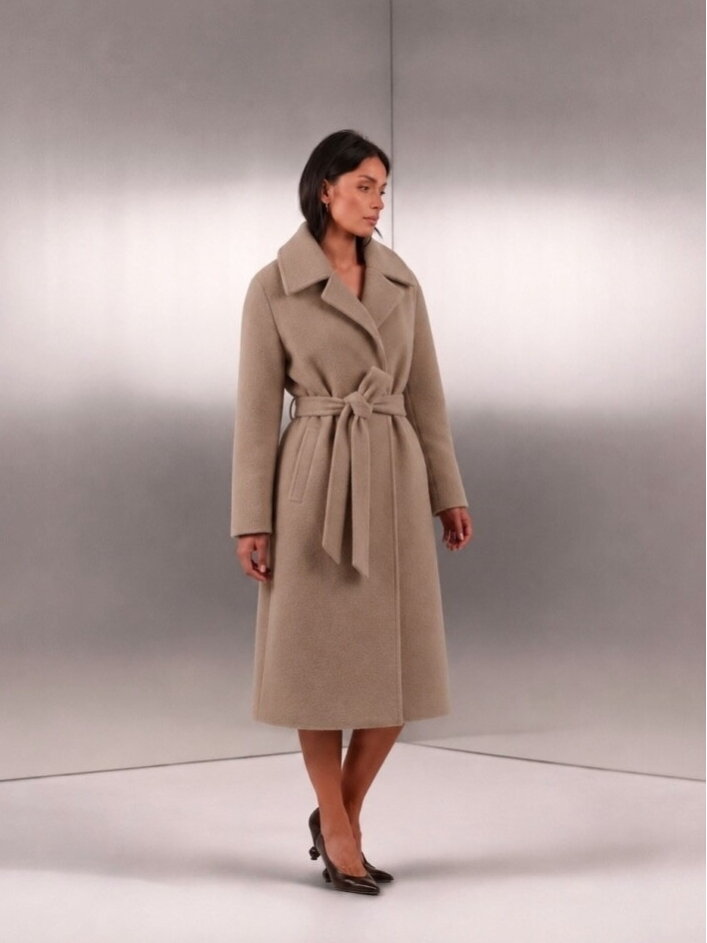
For Subtle Elegance
This long, structured coat, tailored from a soft wool and cashmere blend fabric (worth taking a closer look at, and even better – touching), is designed to provide freedom of movement without sacrificing a precise silhouette.THREE IDEAS: Beata's (and Your) Favorites
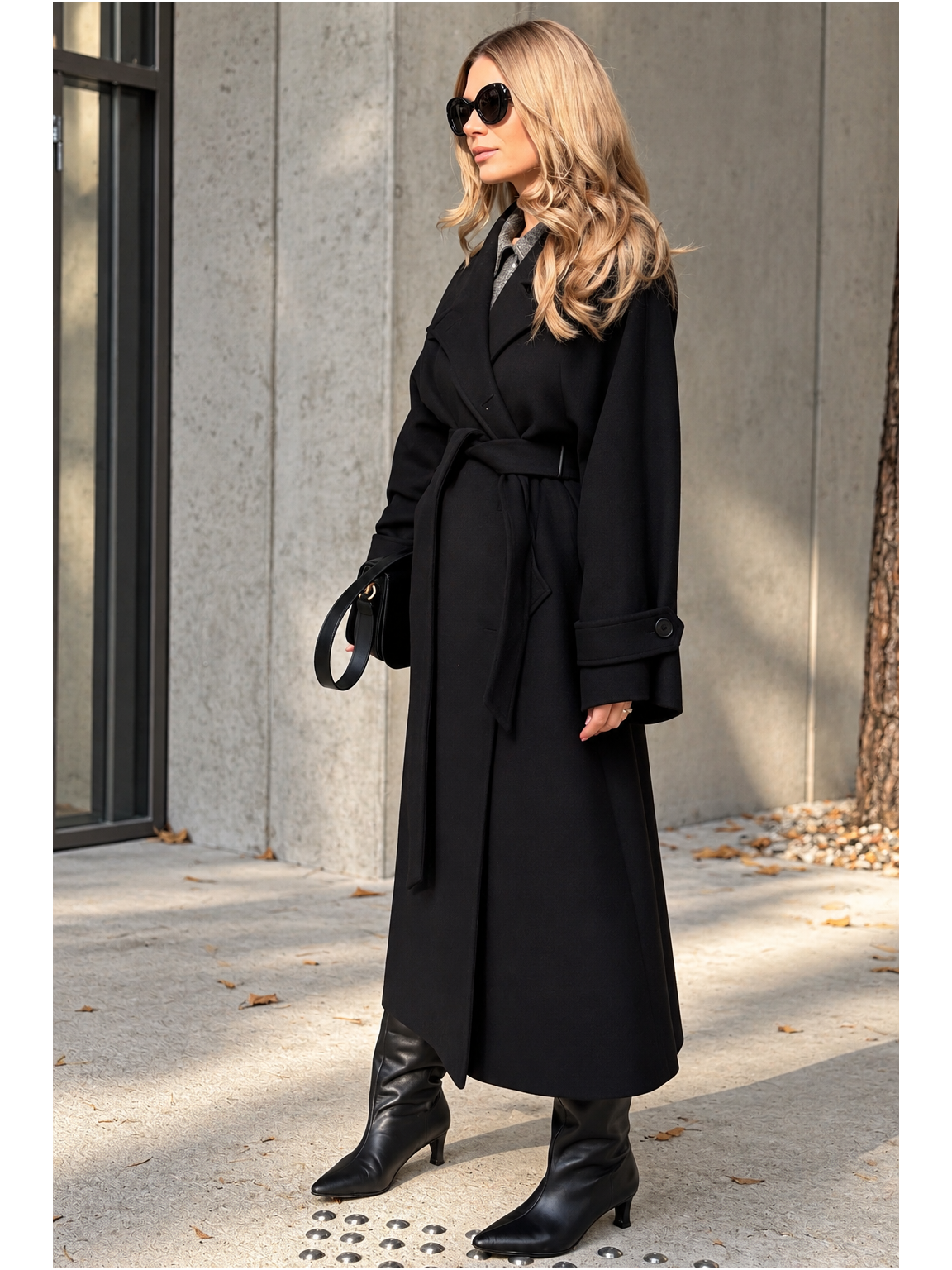
Beata Nicholson wears pieces selected from "Baltas Miškas" on her show "Gero gyvenimo receptai". Three garments that received the most positive attention from both Beata and shoppers.Indispensable Black
This long black woolen coat expresses the finest classical traditions and serves as an indispensable wardrobe element.For Freedom of Movement
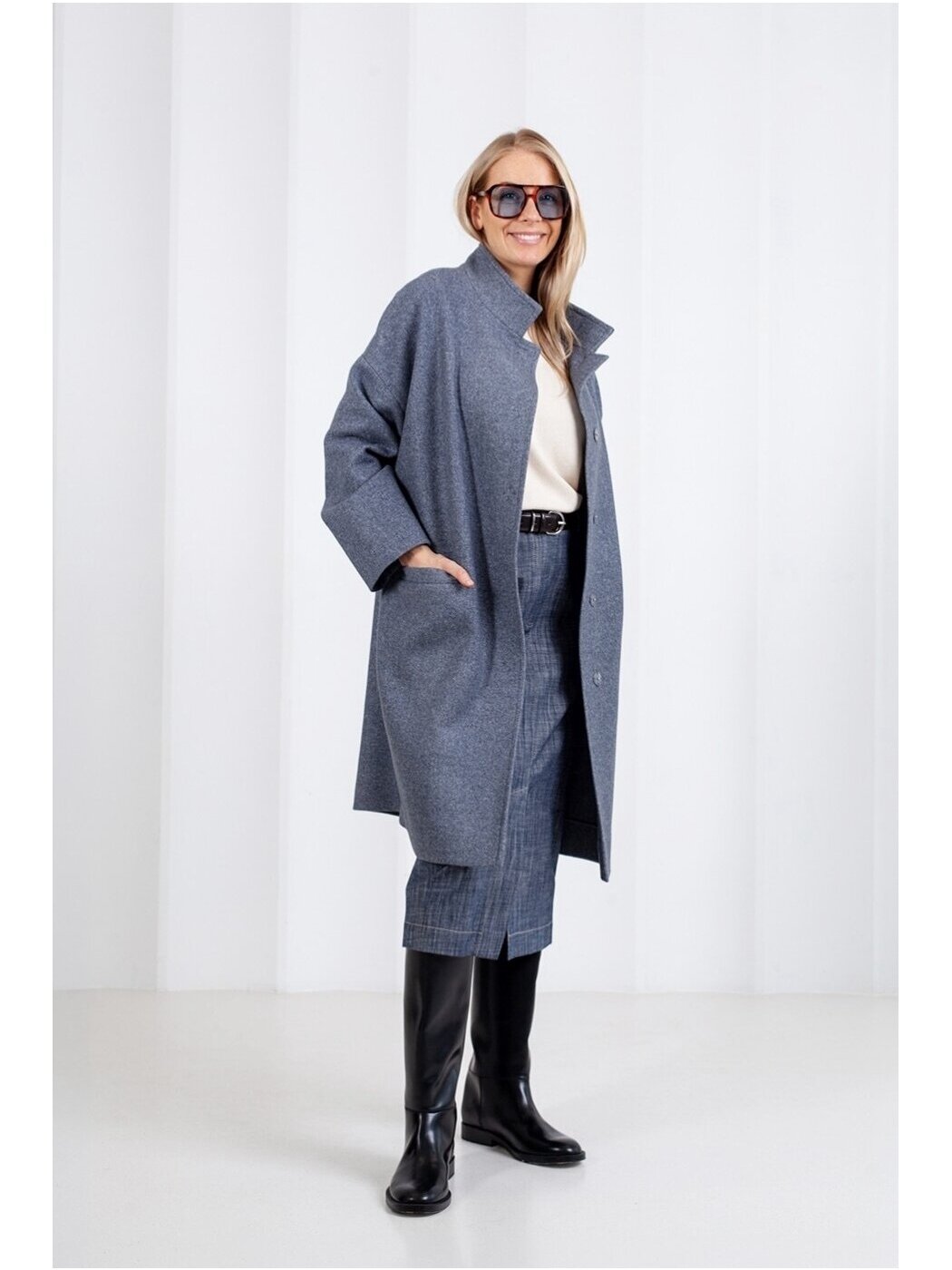
The construction of this coat is slightly different than usual.A loose-fit coat with drop shoulders and a straight silhouette provides an exceptional sense of spaciousness when worn and does not restrict movement.
Meanwhile, the sturdy, elegant fabric delivers a refined, sophisticated appearance.
Every Friday we share stories on fashion design, culture, and the nature of materials. Subscribe to "Baltas Miškas" to receive inspiration delivered straight to your inbox on time.